
Bami Goreng vs Mi Goreng: The Indonesian Noodle Dish Behind Both Names
Two Names, One Beloved Dish
You know exactly what it smells like. Fried shallots hitting hot oil, a splash of kecap manis turning everything glossy and dark, the wok smoke curling up toward the kitchen ceiling on a Sunday afternoon. Your oma called it bami goreng. Your cousin in Jakarta calls it mie goreng. Same dish. Same love. Different passport.
Where the Name Bami Goreng Comes From
The word bami comes from the Hokkien Chinese word for noodles, mian, which traveled through Southeast Asia and eventually landed in Dutch colonial vocabulary. When Indonesian migrants brought their food to the Netherlands and Suriname, the dish came with them under the name that Dutch ears had already learned to say. Bami goreng became the name printed on snack bar menus from Amsterdam to Paramaribo, and it stuck the way the best things always do.
Why Indonesians Call It Mie Goreng
Back in Indonesia, the dish never needed a Dutch translation. Mie goreng simply means fried noodles in Indonesian. Mie for noodles, goreng for fried. Clean, direct, honest. The spelling shifted over time too, and you will see it written as mi goreng, mie goreng, or bami goreng depending on who is writing and where they grew up. All of it points to the same beautiful plate.
What Makes Mie Goreng Taste Like Home
There is a reason this dish travels so well across generations and continents. The flavors are built to stay with you.
The Core Ingredients in a Classic Mie Goreng Sauce
The soul of any mi goreng recipe starts with kecap manis, the thick Indonesian sweet soy sauce that gives the noodles their deep color and caramel warmth. Garlic and shallots go in early, fried until fragrant and golden. A little sambal for heat, sometimes oyster sauce for depth, a whisper of sesame oil if you are feeling generous. The noodles soak all of it up and become something entirely their own.
What Do Mi Goreng Noodles Taste Like
Sweet and savory at once, with a slight smokiness from the wok and that crispy edge where the noodles met the pan directly. The texture sits between chewy and tender. The flavor is layered in a way that makes you go back for a second forkful before the first one is even finished. If you are asking what do mi goreng noodles taste like and you have never had them, the closest honest answer is: like the best fried noodles you have never tried yet.
How to Make Mi Goreng at Home
Good news. You do not need a professional kitchen to make this work.
Choosing the Right Noodles for Your Mi Goreng Recipe
For how to make mi goreng at home, fresh egg noodles are traditional, but dried noodles work beautifully when you cook them to just under done before they hit the wok. The noodle needs a little resistance, something for the sauce to cling to. Mi goreng instant noodles are also a genuinely good starting point, especially when the seasoning packet is already calibrated for that exact sweet and savory balance.
Getting That Smoky Flavor Without a Professional Wok
The trick is high heat and patience. Let your pan get properly hot before anything goes in. Cook in small batches so the temperature stays up. Press the noodles flat against the pan for thirty seconds and resist the urge to stir. That contact is where the smoky flavor comes from.
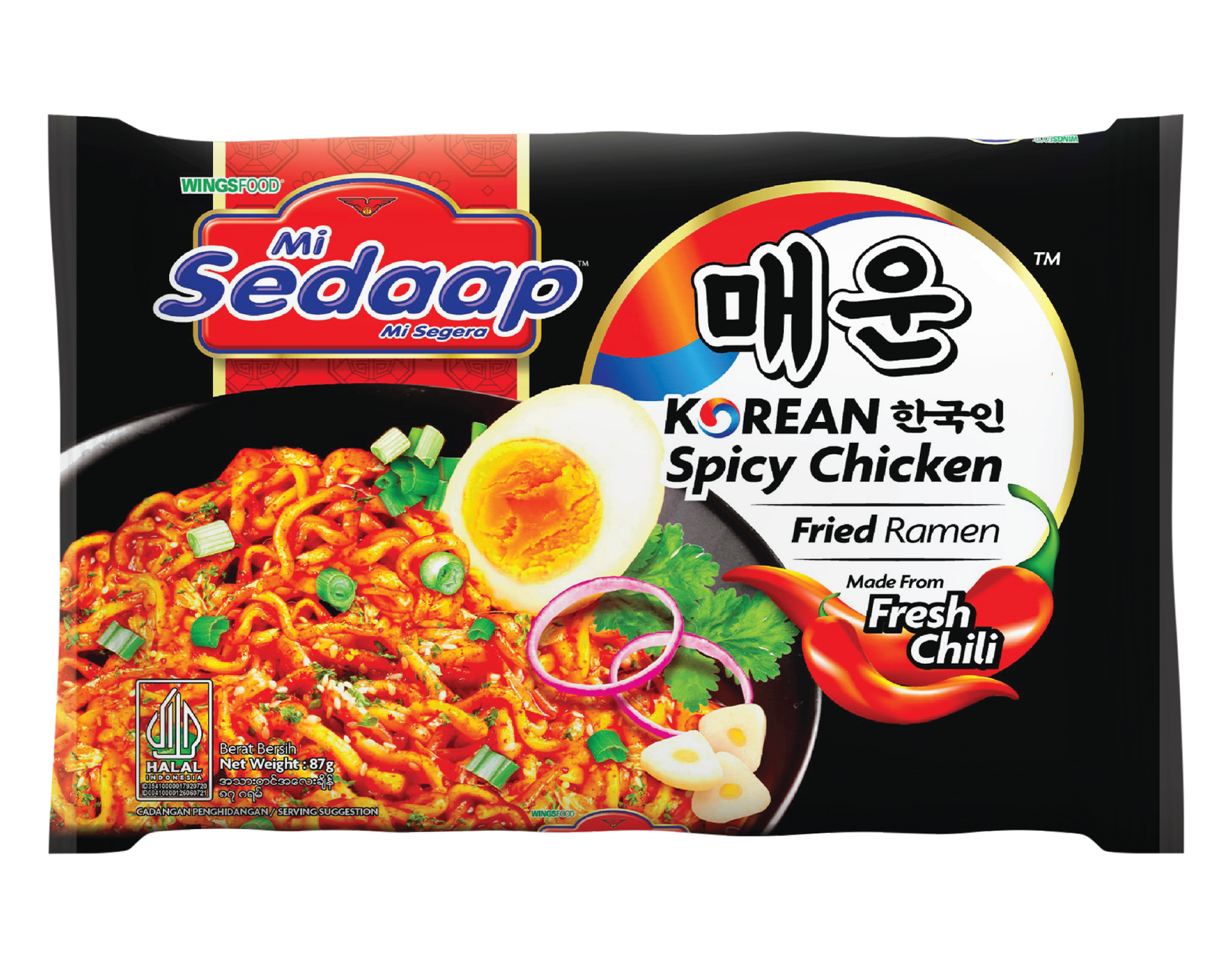
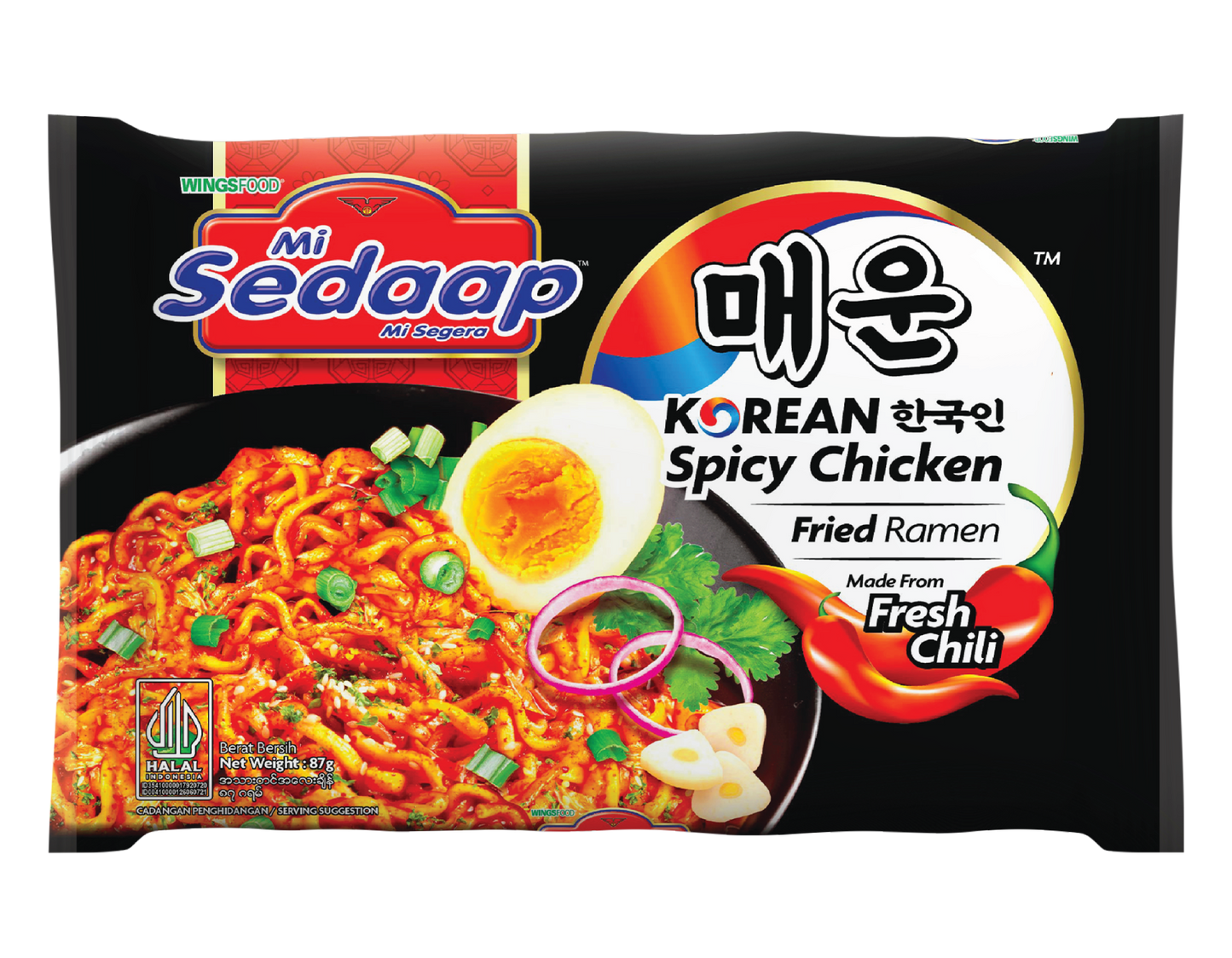
When you want the full experience without the full production, Mi Sedaap Original Fried Noodles deliver that authentic Indonesian-style flavor with their signature crispy fried onion topping and umami-rich seasoning, ready in five minutes and tasting like someone who knew what they were doing made them. Homemade is wonderful. This is wonderful and faster.
As for whether are mi goreng noodles healthy, like most things, it comes down to portions, preparation, and what you add. A bowl of indonesian noodles with vegetables and a protein can absolutely be part of a balanced meal.
Frequently Asked Questions
Is bami goreng the same dish as mie goreng?
Yes, completely. Bami goreng and mie goreng are the same fried noodle dish. The name bami goreng became common in the Netherlands and Suriname through Dutch colonial and immigrant history, while mie goreng remained the standard term in Indonesia.
Why is it called bami goreng in the Netherlands and Suriname but mie goreng in Indonesia?
The word bami comes from a Hokkien Chinese root that Dutch speakers adopted early. As Indonesian communities settled in the Netherlands and Suriname, the name they used in Dutch-speaking contexts was bami goreng. Inside Indonesia, mie goreng was always the natural term.
How do you make mi goreng at home from scratch without special equipment?
Use a heavy pan or cast iron skillet over the highest heat your stove allows. Cook noodles slightly under, fry your aromatics first, and let the noodles press against the pan undisturbed for short bursts. Kecap manis is non-negotiable.
Where can I buy Mi Sedaap Original Fried Noodles in the United States?
Mi Sedaap is available through the Mi Sedaap USA website, Amazon, TikTok Shop, 99 Ranch, and various Asian markets across the country.
Does Mi Sedaap offer wholesale or bulk purchasing options for retailers and Asian food distributors in the US?
Yes. Retailers and anyone working as an asian food distributor looking to carry Mi Sedaap products can reach out through Jans Food USA, the US distributor handling wholesale sourcing for Asian grocery buyers and food service partners.