
Case Study: How Mi Sedaap Reached 37 99 Ranch Stores Across CA TX and Las Vegas
Getting a product onto the shelves of a major Asian grocery chain is not a matter of sending samples and waiting. It is a process that requires compliance readiness, distributor relationships, market-specific logistics, and a product that earns its shelf space through consistent sell-through. This is the story of how Mi Sedaap USA did exactly that, scaling across 37 99 Ranch locations in California, Texas, and Las Vegas with a lineup of instant noodles built for the American retail floor.
The Market Opportunity: Why 99 Ranch Was the Right Retail Target
Understanding the 99 Ranch Shopper and Asian Wholesale Grocery Demand
99 Ranch is not a specialty store. It is the largest Asian wholesale grocery chain in the United States, serving a broad and loyal customer base that spans first-generation immigrants, second-generation Asian Americans, and a growing wave of non-Asian shoppers who have discovered the depth of Asian food imports. The shopper walking into a 99 Ranch location is looking for quality, authenticity, and variety. They know the difference between brands.
That made it the right target. The asian wholesale grocery environment rewards brands with real flavor stories and punishes generic positioning. Mi Sedaap USA came in with both.
Why Instant Noodles and Ramen Noodles Are High-Velocity SKUs in Asian Grocery Chains
Instant noodles are among the most consistent performers in any asian food imports category. They are affordable, fast, and endlessly varied. Ramen noodles, spicy noodles, cup noodle formats, and bowl noodles all move quickly when the right flavors meet the right shopper. The category sees strong repeat purchase rates and low promotional dependency, which means margins stay healthier than in impulse snack categories. For a food wholesaler evaluating SKU productivity, instant noodles deliver.
How Mi Sedaap USA Identified the Gap Between Korean and Indonesian Instant Noodle Brands
The shelf at most Asian grocery chains told a clear story: korean instant noodles dominated the spicy segment. Korean spicy noodles instant formats, from korean hot chicken noodle to cream carbonara ramen, occupied prime real estate. But Indonesian instant noodle brands were underrepresented despite commanding strong household penetration globally.
Mi Sedaap saw the gap. Indonesian flavor profiles including soto, mi goreng ramen, and laksa-style soups offered something genuinely different from the spicy ramen noodles consumers already knew. The brand was not chasing a trend. It was introducing a category with real depth to a retail audience ready for it.
The Supplier Onboarding Process: How Mi Sedaap Entered 99 Ranch as a Vendor
Step-by-Step Breakdown of the 99 Ranch Supplier Application and Approval Process
The 99 ranch supplier case study instant noodle path is more structured than most brands expect. The application process requires formal vendor documentation, product specifications, pricing proposals, and proof of compliance before a single conversation about shelf space begins. Retailers at this level move through a category management lens, not a sampling lens.
Mi Sedaap USA prepared its submission with full product data, compliance documentation, and a category argument showing that mie sedaap noodles and sedaap noodles filled a white space in the existing assortment. The pitch was not about being another instant noodle brand. It was about being the Indonesian option in a category that needed one.
Labeling Compliance Packaging Standards and Halal Certification Requirements for US Retail Entry
Every SKU entering US retail must meet FDA labeling standards including English-language ingredient lists, nutrition facts panels, and allergen declarations. For Mi Sedaap, halal certification was a non-negotiable differentiator. All products carry MUI halal certification alongside ISO 22000 and HACCP compliance, which satisfied both the retailer's vendor requirements and the expectations of Muslim consumers actively seeking halal noodles in mainstream and specialty retail.
|
Product |
Format |
Key Certifications |
|---|---|---|
|
Mi Sedaap Korean Cheese Buldak Spicy |
Pack |
Halal MUI, ISO 22000, HACCP |
|
Mi Sedaap Korean Spicy Chicken |
Pack |
Halal MUI, ISO 22000, HACCP |
|
Mi Sedaap Original Fried Noodles |
Pack |
Halal MUI, ISO 22000, HACCP |
|
Mi Sedaap Cup Korean Spicy Chicken |
Cup |
Halal MUI, ISO 22000, HACCP |
|
Mi Sedaap Cup Original Fried |
Cup |
Halal MUI, ISO 22000, HACCP |
|
Mi Sedaap Cup Soto |
Cup |
Halal MUI, ISO 22000, HACCP |
|
Mi Sedaap Soto Mie |
Pack |
Halal MUI, ISO 22000, HACCP |
Working With an Asian Food Distributor to Meet Retailer Vendor Requirements
Meeting a retailer's vendor requirements often comes down to having the right distribution infrastructure behind you. Mi Sedaap USA partnered with a qualified Asian Food Distributor to manage the import, warehousing, and retail delivery requirements that 99 Ranch and other asian food distributors expect from approved suppliers. Working through an established asian food distributor california network gave the brand regional coverage without building out its own logistics from scratch.
Distribution Strategy Across California Texas and Las Vegas
State-by-State Logistics and Regulatory Differences for Food Distribution in CA TX and Nevada
Food distribution across CA, TX, and Nevada is not a single playbook. California requires Prop 65 compliance awareness, has stricter environmental packaging standards, and operates through a dense network of regional wholesale distributors. Texas moves through larger warehouse footprints with different regulatory timelines for product registration. Nevada, anchored by the Las Vegas market, serves a high-tourism, high-velocity retail environment where asian food imports perform strongly with both local and visiting consumers.
Each state required tailored logistics coordination, localized inventory positioning, and communication with regional food wholesale partners.
How Wholesale Asian Food Distributors Supported Multi-State Rollout
Wholesale asian food distributors were central to making the multi-state expansion work. These partners handled inbound freight, break-bulk distribution to individual store locations, and the cold-chain or ambient routing needed to protect product quality. Wholesale distributors with existing 99 Ranch relationships reduced the onboarding timeline significantly because the retailer already trusted the delivery infrastructure.
SKU Selection and Shelf Placement Strategy for Asian Food Imports in Regional Markets
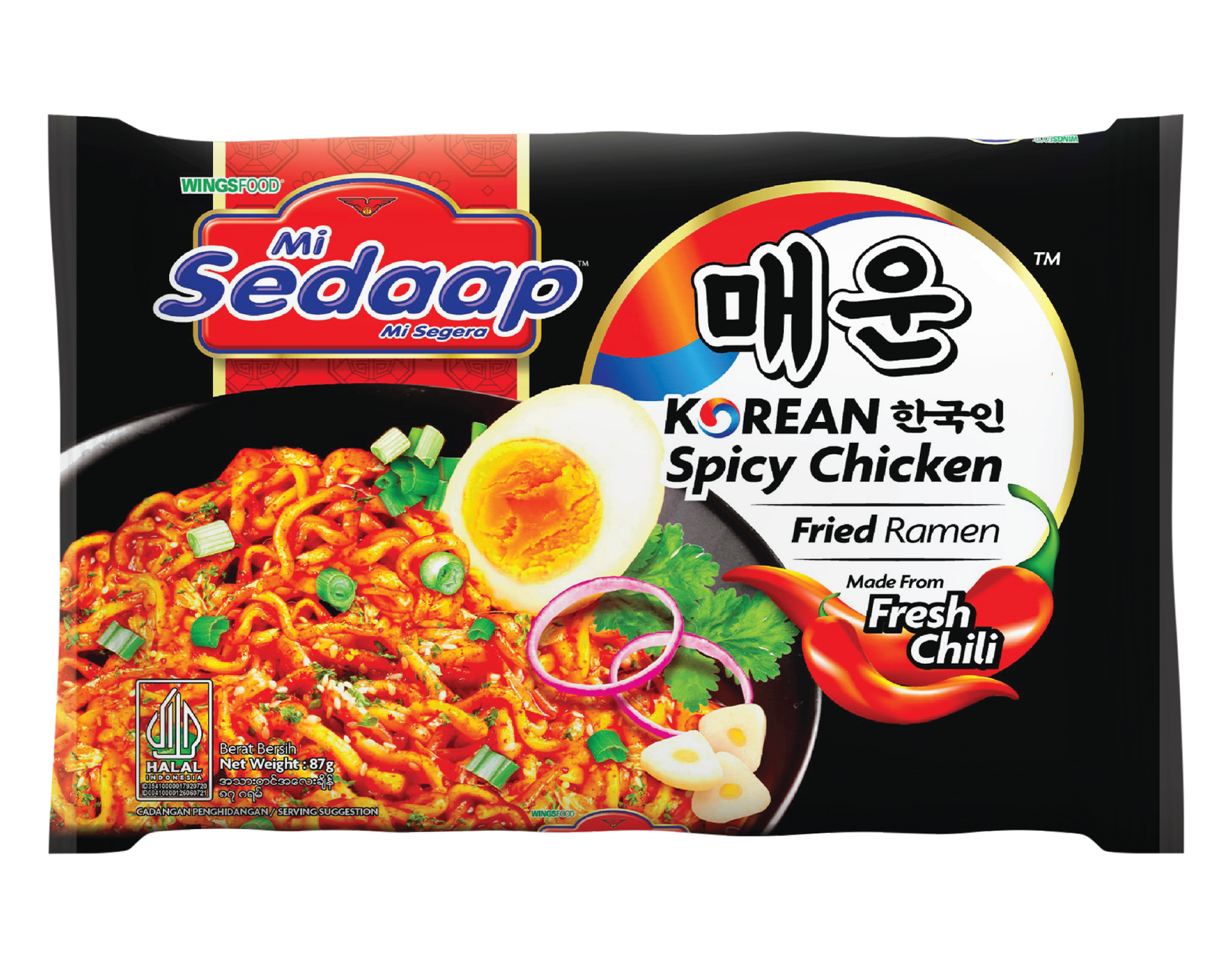
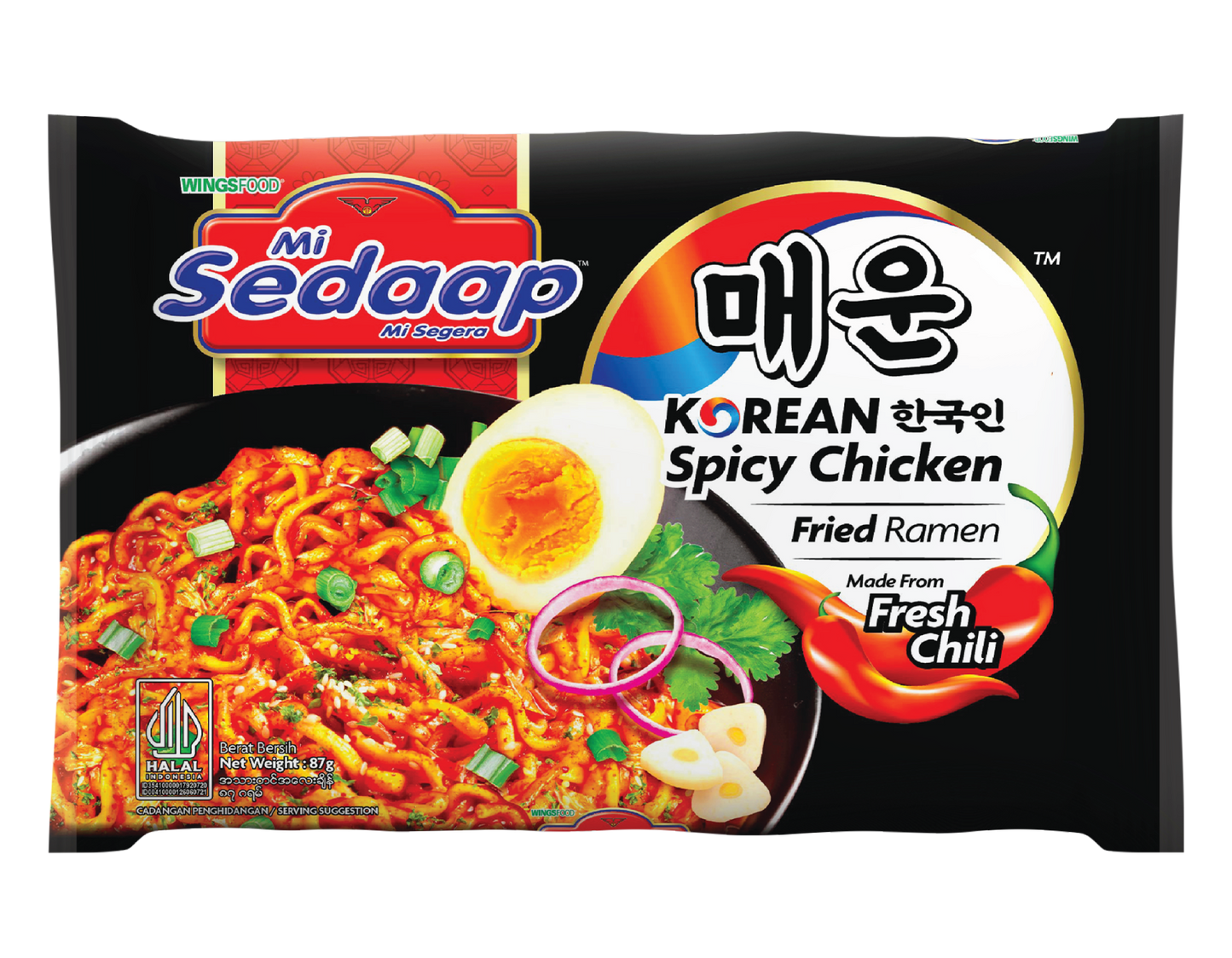
Not every SKU launched in every market simultaneously. California locations received the fullest assortment given the density of Southeast Asian shoppers. Texas and Las Vegas launches were anchored by the highest-velocity SKUs: Mi Sedaap Korean Spicy Chicken, Mi Sedaap Korean Cheese Buldak Spicy, and Mi Sedaap Original Fried Noodles. Shelf placement targeted the spicy noodles and instant ramen noodles section, positioning mi sedaap usa directly in the highest-traffic aisle segment.
Competing on the Shelf: Mi Sedaap vs the Instant Noodle Market
How Mi Sedaap Positioned Its Spicy Noodles and Buldak-Style Variants Against Market Leaders
The spicy noodle shelf at any major asian wholesale grocery retailer is competitive. Buldak spicy noodles, buldak cheese, buldak cheesy ramen, cream carbonara buldak noodles, and buldak toppings-forward formats occupy significant real estate. Mi Sedaap entered with its own buldak-style spicy noodles positioning through the Korean Cheese Buldak Spicy variant, offering the buldak cheesy flavor experience with a halal-certified product and an Indonesian heritage that adds genuine differentiation.
The instant laksa and Singaporean Spicy Laksa variant added a Southeast Asian soup noodles option that no Korean instant noodle brand could replicate. Mi goreng ramen and the cup noodles korean-style formats gave buyers a complete range across dry ramen snack, noodle snacks, and bowl noodles categories.
Why Halal Noodles and Indonesian Flavor Profiles Gave Mi Sedaap a Differentiated Edge
The best instant noodle is the one the shopper reaches for repeatedly. For Muslim consumers, halal noodles are not optional. Mi Sedaap's MUI certification gives it access to a purchasing segment that often has limited choices in the instant noodle snack and cup noodle aisle. Combined with the brand's depth of flavor, including soto mie, instant laksa, grilled chicken with lime, and spicylicious with its dual-chili green chili sauce, the range serves shoppers looking for something beyond korean soup packets and standard spicy ramen noodles.
Driving Velocity With Gen Z and Millennial Shoppers Through Bold SKUs
Seasoning mix brands for gen z have to deliver on boldness and shareability. The Mi Sedaap Korean Spicy Chicken, with its dried seaweed topping and umami-rich heat, performs well in the same purchase occasions as korean hot chicken noodle and korean noodle cup formats. Spicylicious, with its green chili sauce, targets shoppers who want the spiciest noodles korean-adjacent experience with an Indonesian twist. The cheese powder for ramen-style coating in the Korean Cheese Buldak Spicy adds the cream carbonara ramen comfort cue that younger shoppers actively seek.
Results and Lessons for Food Brand Executives and Retail Buyers
Key Metrics: 37 Stores Scaled Across Three Markets With Consistent Sell-Through
Reaching 37 99 Ranch locations across California, Texas, and Las Vegas is a quantifiable milestone in noodles in usa retail expansion. The sell-through rates across those locations validated both the product and the distribution model. Snack distributor partners reported stable reorder cycles, and category managers observed that mi sedaap noodles held their position without heavy promotional support, a strong indicator of organic demand.
What Other International Food Brands Can Learn From This Indonesian Food Distributor USA Case Study
This indonesian food distributor usa case study demonstrates that entry into major Asian grocery chains requires more than a good product. It requires compliance readiness, distributor infrastructure, a clear category argument, and SKU discipline. Indomie mi goreng paved a path for Indonesian instant noodle brands in the US, and Mi Sedaap has expanded what that shelf can look like. The model is repeatable.
How to Start Your Own Wholesale Distribution Journey With Mi Sedaap USA
For retail buyers, food brand executives, or regional food wholesaler operators evaluating the instant noodle usa category, the path forward is straightforward. Mi Sedaap USA is actively expanding its wholesale network. Whether you are stocking an asian food distributor california warehouse, managing a regional snack distributor account, or building out a new asian grocery set, the products are compliance-ready and the distribution infrastructure is in place. Shop Mi Sedaap Wholesale to begin a wholesale inquiry and connect with the team directly.
FAQ
What are the requirements to become a supplier for 99 Ranch Market as an international food brand?
99 Ranch requires vendor documentation including business registration, product compliance with FDA labeling standards, proof of liability insurance, and relevant certifications. For food imports, halal certification and HACCP documentation are frequently required depending on category. Working with an established asian food distributor who already holds a vendor relationship with the chain significantly streamlines approval.
How does Mi Sedaap USA work with wholesale distributors and Asian food distributors to reach retail chains across multiple states?
Mi Sedaap USA works with regional wholesale asian food distributors who manage inbound freight, warehousing, and store-level delivery. These partnerships allow the brand to serve retailers in California, Texas, and Nevada without operating independent logistics infrastructure in each market.
Can retailers and food wholesalers order Mi Sedaap noodles in bulk for stocking in Asian grocery or mainstream supermarket locations?
Yes. Mi Sedaap USA supports bulk ordering for retail buyers, food wholesaler accounts, and regional snack distributor partners. The full product range including mie sedaap noodles, cup noodle formats, and bowl noodles is available for wholesale inquiry through the Mi Sedaap USA website.
How does Mi Sedaap compare to other instant noodles and spicy noodle brands currently on shelves at Asian wholesale grocery retailers?
Mi Sedaap offers halal-certified indonesian instant noodles across multiple formats including dry ramen snack packs, cup noodles, and bowl noodles. The range includes buldak-style spicy noodles, instant laksa, and mi goreng ramen variants that address flavor profiles underrepresented by existing korean instant noodles spicy options on shelf.
What halal certifications and compliance standards does Mi Sedaap USA meet for food distribution and retail placement in the United States?
All Mi Sedaap products carry MUI halal certification, ISO 22000 food safety management certification, and HACCP compliance. These certifications meet the requirements of major US retailers and satisfy the purchasing criteria of halal noodles consumers across mainstream and specialty grocery channels.