
The Complete Mi Goreng Guide: History, Flavors, and How to Make It Better
What Is Mi Goreng and Where Did It Come From
The Indonesian Roots of Mie Goreng
There is a moment, usually late at night, when you tear open a packet of mi goreng and the smell hits you before the noodles even touch the pan. Sweet, savory, smoky, and just a little bit mysterious. If you have never been to Indonesia, that smell is still somehow familiar. That is the magic of mie goreng.
The name translates simply to fried noodles in Indonesian. The dish is one of the oldest and most beloved street foods across the Indonesian archipelago, showing up at roadside warungs, night markets, and family kitchens for generations. It is built on Chinese-style wheat noodles stir-fried with sweet soy sauce, aromatics, and a layering of seasoning that turns something humble into something you genuinely crave.
How Mi Goreng Became a Global Pantry Staple
The instant version traveled the world through Indonesian diaspora communities and curious food lovers who discovered it in Asian grocery stores. Today it lives in college dorm rooms, studio apartments, and the pantries of people who know that five minutes can produce something deeply satisfying. The noodle became a cultural shorthand for comfort across Southeast Asia and far beyond.
Mi Goreng vs Mie Goreng: Is There a Difference
Short answer, no. Mi goreng and mie goreng are the same dish spelled two different ways. Mie is the traditional Indonesian spelling. Mi is commonly used on product packaging, particularly for brands exported to international markets. The noodles, the flavors, the soul of the dish, all identical.
What Do Mi Goreng Noodles Actually Taste Like
Breaking Down the Seasoning Packets and What They Do
What do mi goreng noodles taste like? The answer is layered. Most packets include a dry seasoning blend, a sweet soy sauce, a chili sauce, and a finishing oil. Each one does something specific. The dry mix brings salt, garlic, and a foundation of savory depth. The sweet soy pulls everything into that glossy, caramelized warmth. The chili adds a soft hum of heat. The oil ties it together and gives the noodles a slight sheen that makes every strand feel coated and intentional.
The Sweet Savory Umami Balance That Makes It Addictive
The reason mi goreng noodles hit differently from other instant noodles is that balance. It is not just salty. It is not just spicy. There is sweetness in the soy that keeps pulling you back, and an umami undertone that sits quietly underneath everything and makes the bowl feel complete. It is a flavor architecture that took decades to perfect.
How Mi Sedaap Original Fried Noodles Stands Out in Flavor
Not every brand gets that balance right. Mi Sedaap Original Fried Noodles earns its place at the top by delivering that bold sweet-savory flavor with a signature crispy fried onion topping that adds real texture, not just seasoning. The crunch of that fried onion against the tender, saucy noodles is genuinely satisfying in a way that is hard to explain until you experience it. Ready in five minutes and halal certified, it is the version that actually tastes like someone made it with care.
Is Mi Goreng Vegan, Halal, or Healthy
Is Indomie Mi Goreng Vegan or Vegetarian
Is Indomie mi goreng vegan? The answer depends on the specific product. Some varieties contain flavor ingredients derived from animal sources, which means they are not suitable for vegans or vegetarians without careful label reading. If plant-based eating is a priority, always check the ingredient list of each specific product before purchasing.
Is Mi Goreng Halal Certified
Is mi goreng halal? For Mi Sedaap, yes. Every product in the Mi Sedaap lineup carries Halal certification from MUI, Indonesia's top halal authority, alongside ISO 22000 and HACCP certifications. That matters for Muslim consumers and for anyone who wants to know that their food has been produced under verified standards.
Are Mi Goreng Noodles Healthy to Eat Regularly
Are mi goreng noodles healthy as a daily staple? They are high in sodium and refined carbohydrates, so moderation makes sense. That said, there is nothing wrong with enjoying them regularly when you treat the noodle as a base and add real ingredients on top. Think of it less as a complete meal and more as a flavorful foundation waiting to be built on.
How to Make Mi Goreng Better at Home
Simple Toppings and Add-Ins That Transform the Bowl
Learning how to make mi goreng better does not require a culinary degree. It requires a few pantry staples and the willingness to crack an egg. Start with a fried egg on top. The yolk breaks into the noodles and creates a richness that feels almost indulgent. Add a drizzle of sesame oil, a squeeze of lime, or a spoonful of chili crisp. Scatter some toasted sesame seeds. Each small addition compounds into something that feels restaurant-worthy.
Proteins and Vegetables That Pair Perfectly With Mi Goreng
When thinking about how to make mi goreng at home as a fuller meal, protein is your best friend. Shrimp cooks in about two minutes and absorbs the seasoning beautifully. Sliced chicken thighs stir-fried before adding the noodles bring a savory depth that stretches the whole dish. On the vegetable side, bok choy wilts perfectly in the same pan. Bean sprouts add crunch. Sliced scallions bring brightness. A handful of baby spinach folded in at the end adds color and a subtle earthy note without overpowering the original flavors.
How to Elevate Mi Goreng Into a Restaurant-Style Meal
To truly elevate mi goreng, think about presentation and layering. Cook your noodles al dente, slightly underdone. Finish them in a hot pan with the sauces rather than just tossing cold packets onto drained noodles. Let the soy sauce caramelize slightly against the heat. Plate with intention. A nest of noodles, protein on one side, a soft egg on the other, fried onion and scallion scattered on top. That five-minute meal suddenly looks like something you would order at a noodle bar.
Why Mi Sedaap Is the Mi Goreng Worth Keeping in Your Kitchen
What Makes Mi Sedaap Different From Other Brands
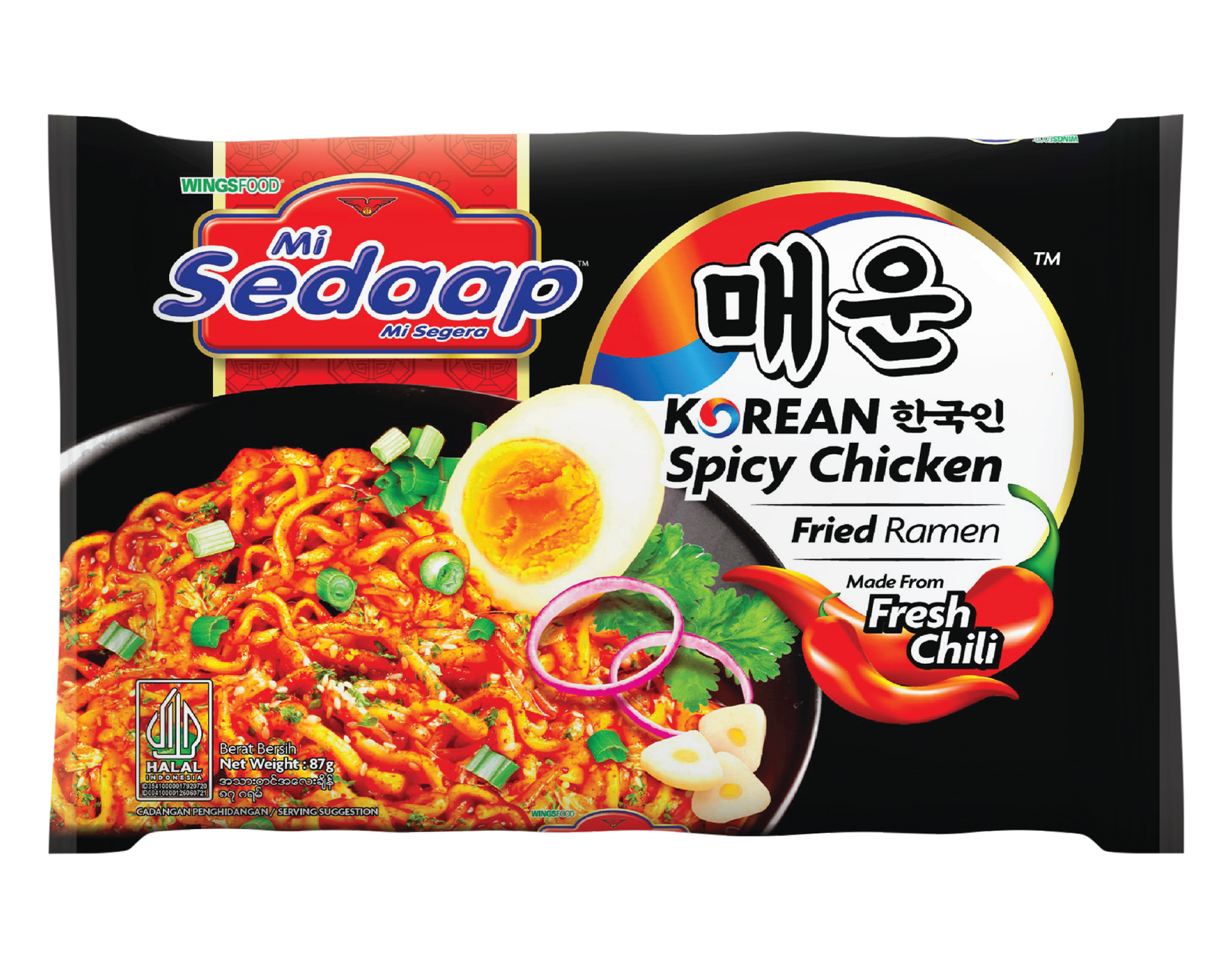
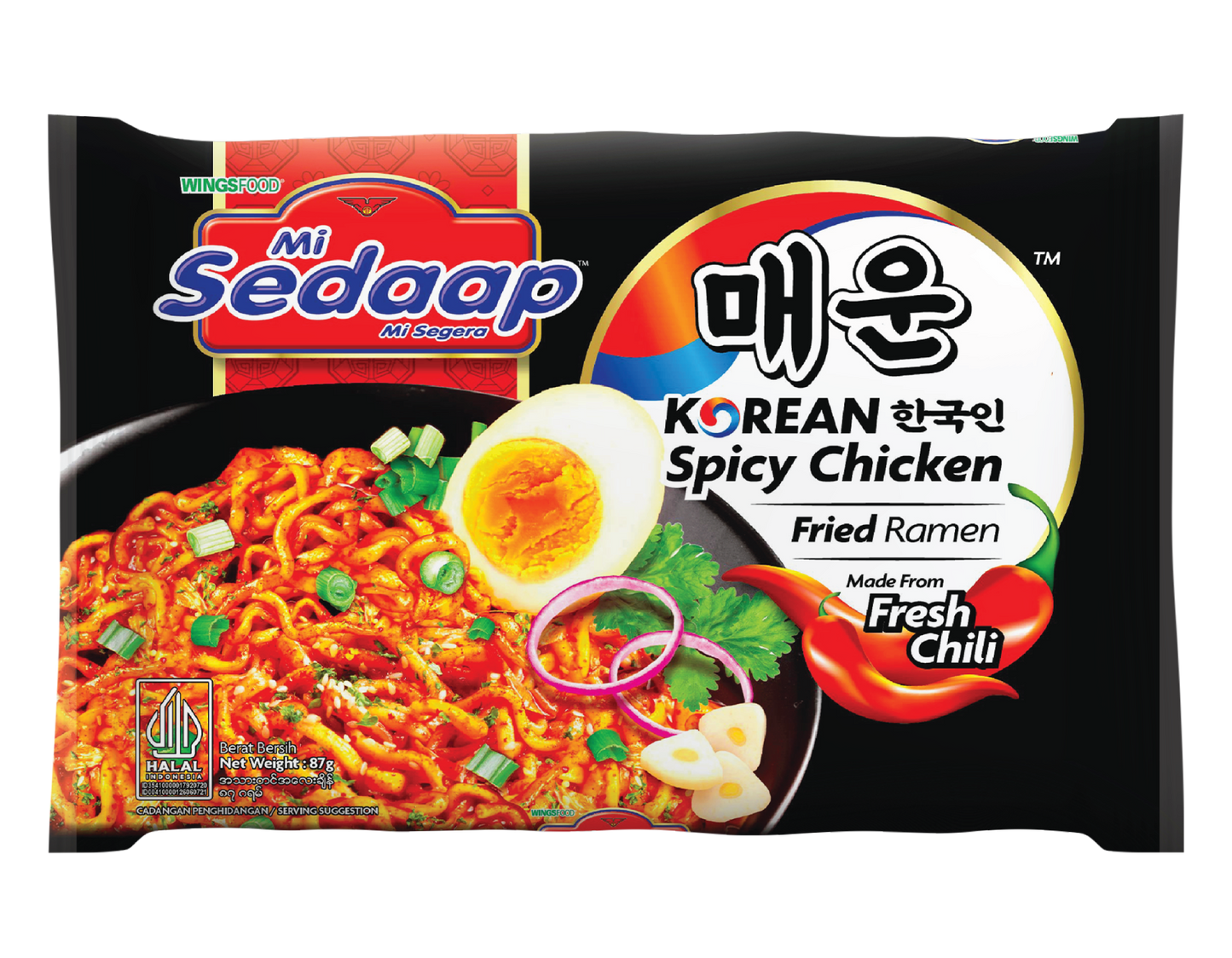
Mi Sedaap starts with the flavor getting right from the beginning. The seasoning blend is built for that authentic Indonesian-style balance, not a simplified approximation of it. Beyond the Original Fried Noodles, the lineup includes bold variations like Spicylicious with its dual-chili green sauce, the Korean Spicy Chicken with dried seaweed, the Korean Cheese Buldak Spicy for a creamy heat experience, and the Grilled Chicken with Lime for something brighter and more refreshing. There is also Soto Mie for a comforting broth bowl and the Singaporean Spicy Laksa for coconut-forward cravings.
Where to Buy Mi Sedaap Mi Goreng in the US
Mi Sedaap products are available on the Mi Sedaap USA website, Amazon, TikTok Shop, 99 Ranch Market, and Asian grocery stores across the US. For retailers, grocery buyers, or food service operators looking to stock Mi Sedaap, working with a trusted Asian Food Distributor is the most reliable path to consistent supply and competitive wholesale pricing.
Exploring the Full Mi Sedaap Flavor Lineup
|
Product |
Flavor Profile |
Key Feature |
|---|---|---|
|
Original Fried Noodles |
Bold sweet savory |
Crispy fried onion topping |
|
Spicylicious |
Sweet savory with spicy edge |
Signature green chili sauce |
|
Korean Spicy Chicken |
Spicy chicken umami |
Dried seaweed topping |
|
Korean Cheese Buldak Spicy |
Spicy with creamy cheese |
Buldak-style comfort heat |
|
Grilled Chicken with Lime |
Light citrus savory |
Lime leaf brightness |
|
Soto Mie |
Comforting chicken broth |
Aromatic lime leaf spices |
|
Singaporean Spicy Laksa |
Creamy coconut chili |
Authentic laksa spice blend |
FAQ
What is the difference between mi goreng and mie goreng?
Mi goreng and mie goreng refer to exactly the same dish. Mie is the standard Indonesian spelling while mi is a simplified version often used on exported product packaging. The flavor, format, and tradition behind both spellings are identical.
Is Indomie mi goreng vegan or does it contain animal products?
Is Indomie mi goreng vegan? Some varieties contain animal-derived flavor ingredients, so vegans and vegetarians should read each product label carefully. Formulations vary by flavor and market, so there is no single answer that covers the entire product range.
How do you make mi goreng taste better with simple pantry ingredients?
A fried egg is the easiest upgrade. Beyond that, try sesame oil, chili crisp, lime juice, soy sauce, or a handful of scallions. Adding shrimp, sliced chicken, bok choy, or bean sprouts turns a simple bowl into a full meal without much extra effort or cost.
Where can retailers and distributors purchase Mi Sedaap products in bulk for US markets?
Retailers and food service buyers looking to carry Mi Sedaap can source products through a qualified Asian food distributor. Jans Food USA operates as a trusted food distributor connecting wholesale distributors and grocery retailers with authentic Asian pantry brands including Mi Sedaap across the US market.
What certifications does Mi Sedaap carry and is it suitable for halal dietary requirements?
Mi Sedaap carries Halal certification from MUI, the Indonesian Council of Ulama, along with ISO 22000 and HACCP certifications. Every product in the lineup is halal certified, making Mi Sedaap suitable for Muslim consumers and anyone who prioritizes verified food safety and production standards.