
Kimbap Noodle: Try This Easy Mi-Gimbap Recipe Today!
Key Highlights
- Discover Mi-Gimbap, an innovative twist on Korean kimbap that uses noodles instead of sushi rice for a unique texture and flavor.
- This recipe swaps traditional rice with Mi Sedaap Original Fried Noodles, offering a savory, umami-packed base.
- Learn how to easily make this viral kimbap noodle roll at home with simple fillings like Spam, cucumber, and pickled radish.
- The key to the perfect crunch is the Kriuk-Kriuk fried onions, sprinkled directly onto the noodles before rolling.
- Get pro-tips on how to assemble your roll using a bamboo rolling mat and slice it perfectly for a beautiful presentation.
- Serve your Mi-Gimbap with a spicy chili-mayo dip for an extra layer of creamy, fiery flavor.
Meet Mi-Gimbap: The Kimbap Noodle Roll Trend
So, what exactly is a Mi-Gimbap? Think of it as the ultimate food hack. This kimbap noodle roll takes the beloved concept of Korean gimbap and swaps out the traditional seasoned rice for flavorful, springy instant noodles. While it might look like Korean sushi from Japan, Mi-Gimbap stands in a category of its own. The primary difference is the base; instead of rice, you get the distinct taste and texture of noodles, making every bite a delightful surprise.
The beauty of this trend lies in its simplicity and flavor-packed results. Using Mi Sedaap Original Fried Noodles provides an instant umami boost that plain rice just can't match. The seasoning oil and sweet soy sauce perfectly coat each noodle strand, ensuring that your roll is bursting with flavor from the inside out. This isn't just a snack; it's a creative culinary experience that’s both fun to make and incredibly satisfying to eat.
What You Need to Make Mi-Gimbap at Home
|
Category |
Item |
Role / Notes |
|
The Base |
Mi Sedaap Original |
The "star" ingredient; provides a dry, flavorful foundation. |
|
The Wrap |
Nori (Seaweed Sheets) |
Holds the roll together. |
|
Protein |
Spam Strips |
Pan-fried for a savory, salty bite with Ocean’s Halo Veggie Kimbap. |
|
Vegetables |
Cucumber & Danmuji |
Provides freshness and a tangy crunch (yellow pickled radish). |
|
Secret Weapon |
Kriuk-Kriuk Fried Onions |
The essential "secret ingredient" for signature texture. |
|
Dipping Sauce |
Chili-Mayo |
A blend of Sriracha and mayonnaise for a creamy, spicy kick. |
How to Roll the Perfect Mi-Gimbap
Step 1: Cooking and Seasoning the Mi Sedaap Noodles
Start by cooking one pack of Mi Sedaap Original Fried Noodles or mi goreng noodles according to package instructions, usually about 3 minutes. Drain well to remove excess water. This is important because dry noodles help prevent soggy seaweed and keep the roll firm.
For extra aroma, you can add a small drizzle of sesame oil. Then mix in the seasoning powder, sweet soy sauce, and seasoning oil until the noodles are fully coated.
Let the noodles cool slightly before assembling. This helps maintain structure when wrapped and improves texture for fried noodles style dishes like this mi goreng recipe or instant noodles snack idea.
Step 2: Assembling the Fillings and Crunchy Kriuk-Kriuk Layer
Lay a sheet of nori on a bamboo mat. Spread a thin layer of seasoned noodles over about two thirds of the sheet, leaving space at the top to seal.
Add crispy fried onions for crunch, inspired by instant noodle toppings commonly found in cup noodle, spicy noodles, and korean instant noodles dishes.
You can also add fillings like:
- Spam or cooked chicken (great for chicken noodle soup or creamy chicken noodle soup inspiration)
- Cucumber or pickled radish
- Egg strips (similar to ramen noodle soup or ramen soup near me style bowls)
- Kimchi for a spicy ramen kick or buldak noodles inspired heat
This combination works well for fans of spicy noodles, korean spicy noodles, instant ramen noodles, and even buldak cheese ramen style flavors.
Step 3: Rolling, Slicing, and Serving Like a Pro
Roll tightly using a bamboo mat, pressing gently to keep everything compact. Seal the edge with a little water.
Slice into bite sized pieces using a sharp knife. Wipe the blade between cuts for clean edges.
Serve immediately with chili mayo or sauce inspired by ramen with mayonnaise, spicy peanut ramen, or peanut butter ramen style fusion bowls.
Ways to Customize and Serve Your Kimbap Noodle Rolls
Thinking about what to add? The options are nearly endless. You can stick to classic Korean kimbap ingredients or try something totally new, including a spoonful of white rice. Serve your rolls with different dips or even a side of kimchi to complement the flavors. Here are a few ideas to get you started:
|
Filling Theme |
Noodle Base |
Scrambled egg, bacon or sausage, cheese, along with short grain rice as a tasty addition. |
Dip Suggestion |
|---|---|---|---|
|
Spicy Fire Roll |
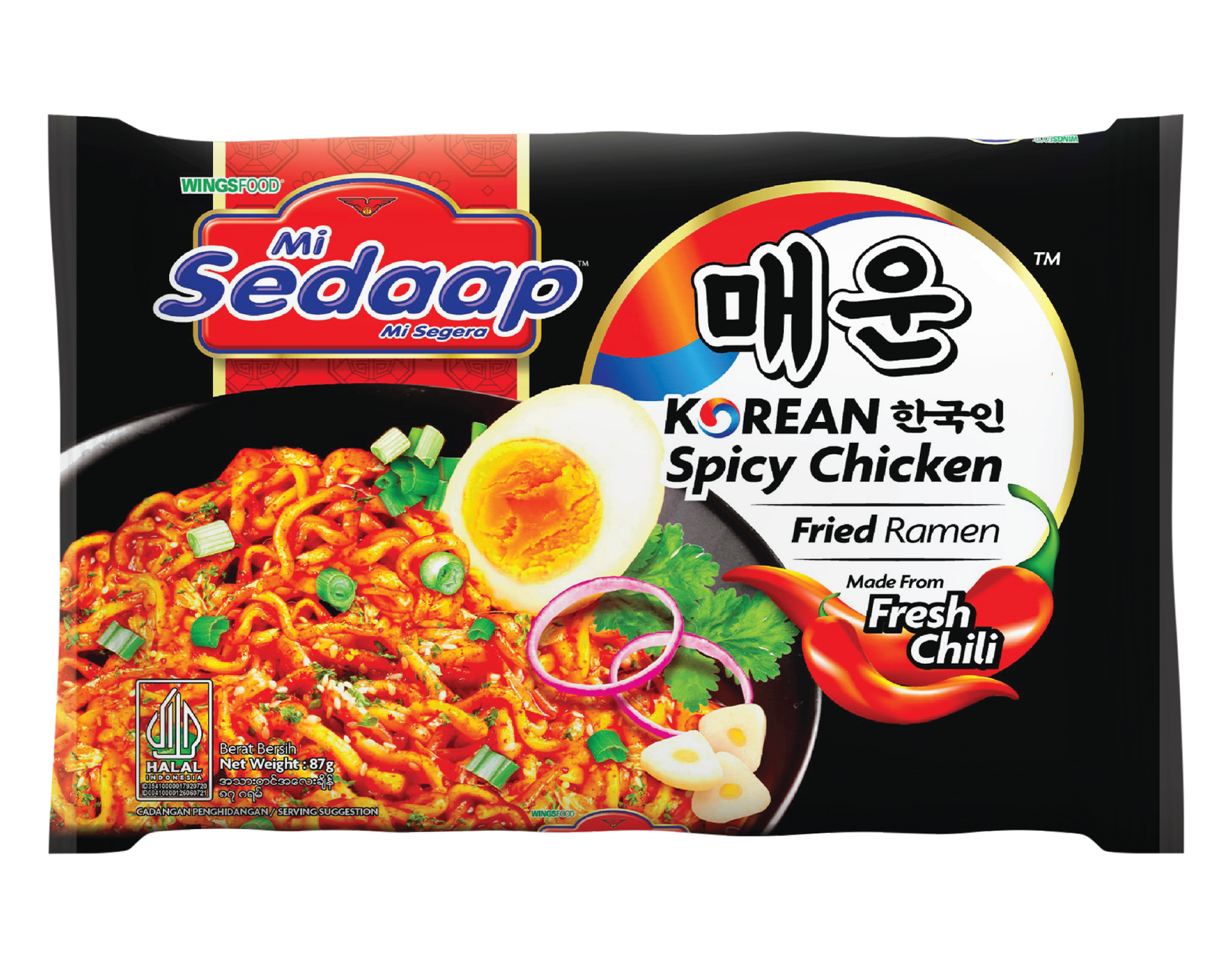
Mi Sedaap Korean Spicy Chicken |
Kimchi, spicy tuna, jalapeño strips |
Extra sriracha mayo |
|
Breakfast Roll |
Mi Sedaap Original |
Scrambled egg, bacon or sausage, cheese |
Ketchup or hot sauce |
|
Bulgogi Beef Roll |
Mi Sedaap Original |
Marinated Korean BBQ beef, carrots, spinach |
Gochujang-based sauce |
|
Veggie Delight |
Mi Sedaap Original |
Avocado, bell peppers, carrots, seasoned tofu |
Peanut sauce |
Conclusion
Mi-Gimbap is a fun fusion twist on traditional kimbap, swapping kimbap rice seasoned with rice vinegar for seasoned Mi Sedaap noodles. While traditional kimbap fillings in Korea often include vegetables, egg, and seafood, sometimes even raw fish, this version allows more flexible filling ingredients. Unlike Japanese sushi, which is often served with wasabi and follows stricter preparation methods shaped by culinary history in Korea and the Japanese occupation of Korea, Mi-Gimbap is more relaxed and creative. It still keeps the idea of bap, but reimagines it with noodles for a richer bite. From classic kimbap fillings to seafood variations, this dish blends tradition and innovation into one easy, flavorful roll.
Frequently Asked Questions
Can I use other instant noodles like spicy ramen or buldak noodles?
Yes. You can substitute Mi Sedaap with instant ramen brands, spicy ramen noodles, buldak spicy ramen, cheese buldak, or korean spicy chicken noodles depending on your preference.
Can I turn this into soup noodles or ramen soup?
This recipe is dry style, but you can also enjoy similar flavors in ramen soup, ramen noodle soup, or asian noodle soup like tom yum noodles, laksa instant noodles, or soto mie.
What toppings work best for instant noodles?
Popular instant noodle toppings include egg in cup noodles, cheese buldak, fried onions, cup noodles toppings, peanut butter ramen, and spicy chicken noodle soup add ins.
Can I find ingredients at an Asian grocery store near me?
Yes, most items like mi goreng, ramen noodles, buldak noodles, and korean instant noodles are available at any asian grocery store near me or by searching asian food near me.
What are some viral ramen hacks?
Popular hacks include adding peanut butter ramen sauce, mayo in ramen, hot cheetos ramen, ramen ice cream experiments, or cheesy buldak ramen upgrades.
What is the best instant ramen?
Many people consider mi goreng, spicy korean noodles, buldak ramen, and instant cup noodle among the best instant noodles or best instant ramen noodles depending on taste preference.
Can I make this with spicy peanut ramen or carbonara ramen?
Yes. You can adapt it using spicy peanut ramen, peanut butter noodles ramen, carbonara buldak ramen, or creamy ramen hack variations.
Is this similar to Korean instant noodle dishes?
Yes, it is inspired by korean instant noodles, korean spicy noodles, spicy korean fried chicken flavors, and instant korean ramen styles.
Who brings Mi Sedaap from Indonesia to the U.S. market?
Mi Sedaap, one of the most beloved instant noodle brands from Indonesia, entered the U.S. market exclusively through Jans Enterprises Corp, a trusted partner for retailers and food service buyers seeking authentic Asian products.
Jans isn’t just a wholesale food distributors, Jans is a dedicated food and beverage distributor committed to delivering bold, globally inspired flavors to American shelves. From classic Indonesian food snacks to innovative pantry staples, Jans curated imports reflect deep culinary heritage and market demand.
Founded in 1998 as an Indonesian food distributor USA, Jans has since grown into a reliable Asian food importer, supplying to major retailers, distributors, and online platforms across the country. We’re now firmly established as one of the go-to food importers in USA for trusted, high-quality products.
As the team that officially brought Mi Sedaap to the U.S., Jans ensures nationwide ac