
MOQ, Case Pack, and Reorder Cycle: What to Expect When You Stock Mi Sedaap
Wholesale buyers do not have time to chase down vague answers about minimums, pack sizes, and lead times. This article gives you the operational detail you need to make a confident, calculated stocking decision on Mi Sedaap USA products. From MOQ thresholds to reorder triggers, here is what the supply chain actually looks like.
Understanding MOQ Requirements for Mi Sedaap USA Wholesale Orders
What Minimum Order Quantities Apply to Mi Sedaap Product Lines
When entering the wholesale food distributors conversation around Mi Sedaap, the first question is always about minimums. Mi Sedaap USA structures its wholesale program around practical entry points designed to support both regional snack distributor accounts and larger asian food distributors managing multi-door retail footprints.
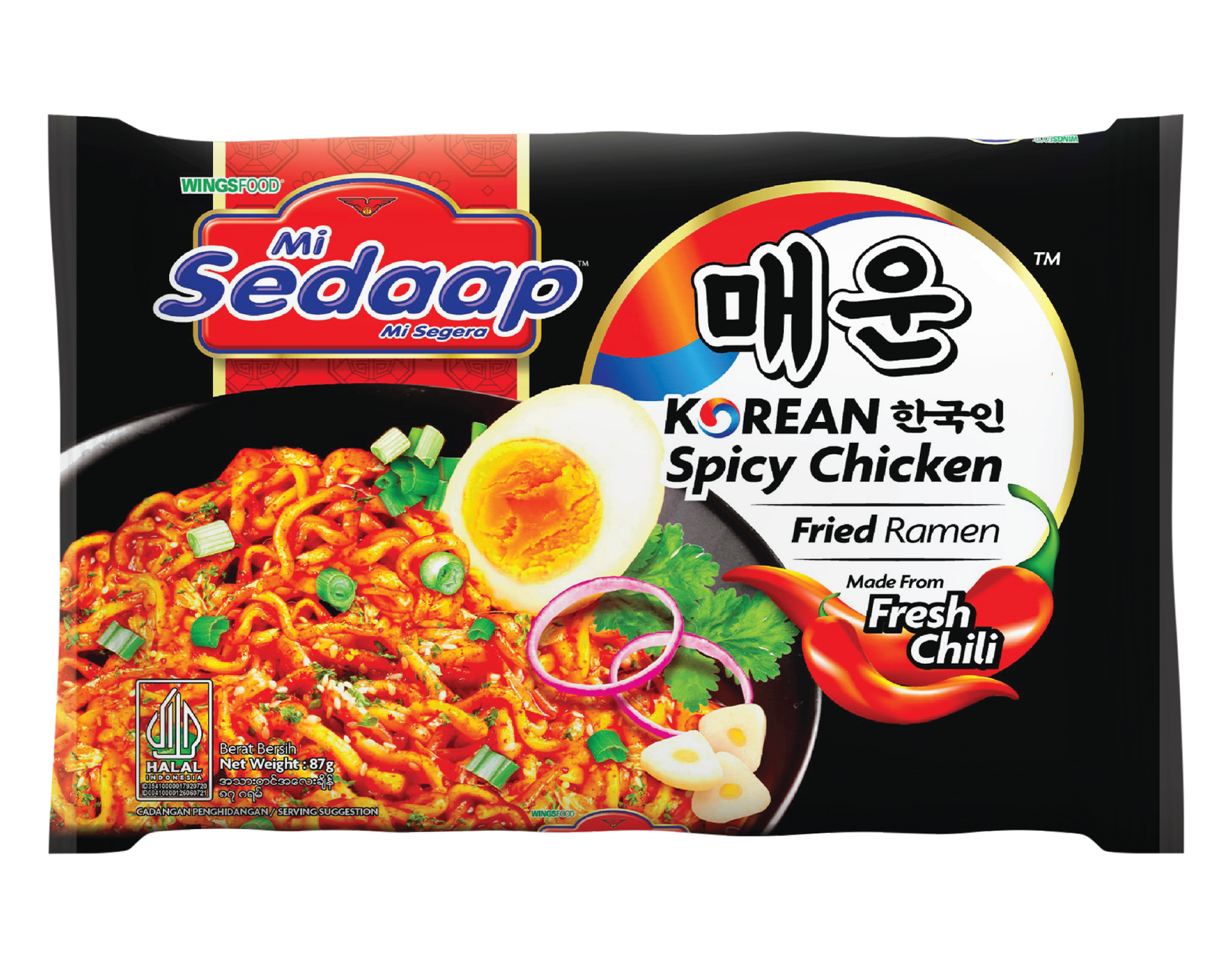
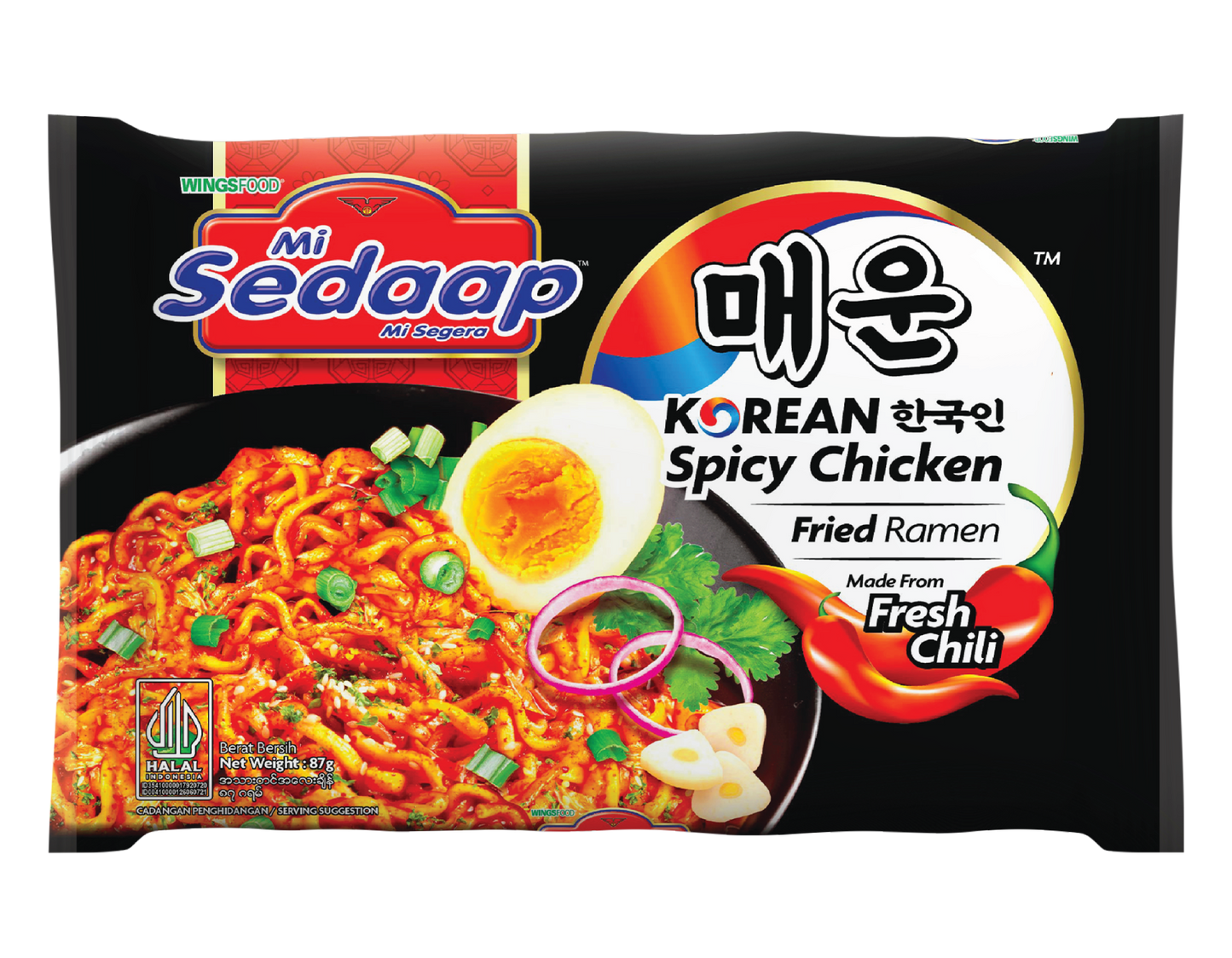
For most SKUs, minimum order quantities begin at the case level, with volume thresholds that scale based on format type. Bag noodle formats such as Mi Sedaap Korean Spicy Chicken, Mi Sedaap Original Fried Noodles, and Mi Sedaap Spicylicious tend to carry lower per-SKU minimums because they move faster through asian wholesale grocery channels. Cup noodle formats including Mi Sedaap Cup Korean Spicy Chicken and Mi Sedaap Cup Soto may carry slightly higher per-case commitments due to dimensional weight considerations in freight.
How MOQ Tiers Differ Across SKUs and Flavor Variants
Buyers asking whether mi sedaap usa offers differentiated MOQ treatment based on velocity will find the answer is yes. High-velocity spicy noodles like Mi Sedaap Korean Spicy Chicken and Mi Sedaap Korean Cheese Buldak Spicy are supported with flexible reorder structures precisely because demand in asian food imports retail channels is consistent and measurable. Slower-moving variants like Mi Sedaap Singaporean Spicy Laksa and Mi Sedaap Soto Mie carry the same product integrity but may be better suited to trial-size initial orders before committing to deeper inventory.
Volume Thresholds and What They Mean for Your Purchasing Budget
Volume thresholds connect directly to your landed cost per unit. Ordering at higher case quantities reduces per-unit freight exposure and positions your food wholesaler account for better margin performance. Ready to build your order? Shop Mi Sedaap Wholesale to explore current wholesale pricing tiers and initiate an account inquiry.
Case Pack Configurations by SKU: A Practical Breakdown for Wholesale Buyers
Standard Case Pack Sizes for Instant Noodles and Cup Noodle Formats
Understanding how mie sedaap noodles and cup formats pack out at the case level is essential for shelf planning and purchase order accuracy. The table below reflects general case pack configurations for Mi Sedaap SKUs relevant to wholesale buyers in the US market.
|
SKU |
Format |
Units Per Case |
|---|---|---|
|
Mi Sedaap Korean Spicy Chicken |
Bag / Instant Noodles |
40 units |
|
Mi Sedaap Original Fried Noodles |
Bag / Instant Noodles |
40 units |
|
Mi Sedaap Spicylicious |
Bag / Spicy Noodles |
40 units |
|
Mi Sedaap Korean Cheese Buldak Spicy |
Bag / Spicy Noodles |
40 units |
|
Mi Sedaap Singaporean Spicy Laksa |
Bag / Instant Laksa |
40 units |
|
Mi Sedaap Grilled Chicken with Lime |
Bag / Ramen Noodles |
40 units |
|
Mi Sedaap Soto Mie |
Bag / Instant Noodles |
40 units |
|
Mi Sedaap Cup Korean Spicy Chicken |
Cup Noodle |
24 units |
|
Mi Sedaap Cup Original Fried |
Cup Noodle |
24 units |
|
Mi Sedaap Cup Soto |
Cup Noodle |
24 units |
How Case Pack Structure Affects Shelf Facing and Inventory Allocation
Case pack size directly influences how you allocate shelf space and set reorder triggers. A 40-count case of instant ramen noodles occupies predictable linear footage, making planogram compliance straightforward for retailers stocking these as part of a broader noodle snacks or dry ramen snack set. The 24-count cup noodle case works well for secondary placement near checkout or high-traffic endcaps.
Comparing Pack Formats Across Mi Sedaap Ramen Noodles and Cup Variants
From a margin standpoint, bag formats like mi goreng ramen and spicy ramen noodles typically offer stronger per-unit gross margin. Cup formats trade some margin for impulse velocity. Buyers stocking for asian food distributor california accounts often lead with bag formats and layer in cup SKUs for variety.
Import Lead Times and Port Logistics: Planning Your Mi Sedaap Reorder Cycle
How Asian Food Imports Transit Times Impact Reorder Windows
Mi Sedaap products manufactured in Indonesia move through established asian food imports corridors into US ports, primarily through West Coast entry points. Standard ocean freight transit from production to US port typically runs between 21 and 35 days depending on routing and port congestion. Add domestic inland freight and you are looking at a realistic door-to-shelf window of 35 to 50 days from order placement.
That timeline defines your reorder trigger. If your shelf velocity burns through a case in 14 days, you need to initiate your next order no later than day one of your current stock cycle, not when you hit the last case.
Coordinating with Wholesale Food Distributors to Reduce Stockout Risk
Working with an established Asian Food Distributor that already holds domestic inventory of Mi Sedaap dramatically compresses that lead time. Rather than sourcing direct from import cycles, buyers can pull from distributor warehouse stock with 3 to 7 day fulfillment windows. This is the practical advantage of partnering with wholesale asian food distributors that have already absorbed the import timing risk.
Building Buffer Stock Into Your Procurement Calendar
For any indonesian food distributor usa operation or retail chain stocking noodles in usa, a minimum buffer of two to three weeks of safety stock is a reasonable baseline. Accounts near major metro areas with faster turn rates should consider extending that buffer to four weeks, especially heading into Q4 when demand for comfort foods including instant noodle usa staples accelerates.
Sell-Through Velocity and Optimal Reorder Frequency for US Retailers
Benchmarking Reorder Cycles Against Instant Noodles Category Velocity
The instant noodles category is one of the most reliable velocity categories in asian wholesale grocery. Consistent basket placement, strong repeat purchase behavior, and affordable price points all support predictable turn rates. For most retail accounts, a weekly or bi-weekly reorder cadence for top SKUs is appropriate.
Which Mi Sedaap Variants Move Fastest in Asian Wholesale Grocery Channels
Based on channel distribution patterns, the fastest-moving Mi Sedaap SKUs include Mi Sedaap Korean Spicy Chicken, Mi Sedaap Korean Cheese Buldak Spicy, and Mi Sedaap Original Fried Noodles. These are the items drawing attention from seasoning mix brands for gen z audiences and shoppers already exploring korean instant noodle, korean spicy noodles instant, and spiciest noodles korean trends. The buldak cheese and buldak spicy noodles crossover positioning of the Buldak Spicy variant places it squarely alongside demand for buldak cheesy ramen, buldak cheesy, and cream carbonara ramen seekers looking for something boldly satisfying. Products like Mi Sedaap Spicylicious and Mi Sedaap Singaporean Spicy Laksa attract buyers searching for instant laksa and bold spicy noodle experiences beyond standard korean hot chicken noodle formats.
Using Sell-Through Data to Set Reorder Triggers for Spicy Noodles and Halal Noodles
Track units sold per week per door. When any spicy noodle or halal noodles SKU drops below a two-week supply threshold, that is your reorder signal. Buyers working with cup noodles korean formats and korean noodle cup SKUs should apply the same model to cup noodle configurations. Cross-reference against korean soup packets sell rates if you carry multiple asian noodle brands to isolate Mi Sedaap turn rate specifically.
Inventory Planning Frameworks for Ethnic Food Distributors Stocking Mi Sedaap
Carrying Cost vs Stockout Risk: Finding the Right Balance
Overbuying creates carrying cost exposure. Underbuying risks stockouts that erode shelf presence and customer trust. For instant noodle snack and bowl noodles categories, the optimal inventory position sits at four to six weeks of forward stock for high-velocity SKUs and two to three weeks for moderate-velocity items like Mi Sedaap Grilled Chicken with Lime and Mi Sedaap Cup Soto.
Practical Inventory Models Suited for Indonesian Food Distributor USA Operations
A straightforward reorder point model works well here. Calculate your average daily units sold per SKU, multiply by your lead time in days, and add your safety stock buffer. This applies whether you are a regional snack distributor, a food wholesaler with ethnic food focus, or a buyer sourcing for indomie mi goreng adjacent shelf sets at 99 Ranch or independent asian markets. Mi sedaap noodles including mie sedaap noodles carry shelf lives that support broader stocking flexibility.
How to Align Reorder Planning with Promotional and Seasonal Demand Spikes
Plan for two to three demand spikes annually: back-to-school season in August, holiday gifting windows in November, and Lunar New Year in January or February. During these windows, sedaap noodles and mi noodles broadly see elevated pull-through. Buyers who pre-position inventory four to six weeks ahead of these windows consistently outperform those reacting to sell-through after the spike has already begun. Products like buldak toppings-forward SKUs and cheese powder for ramen adjacent items including korean instant noodles spicy profiles see strong seasonal lift. Even best instant noodle searches spike during these windows, pulling new shoppers into the category.
Frequently Asked Questions
What is the minimum order quantity for Mi Sedaap products when ordering through wholesale food distributors in the US?
MOQ varies by SKU and distributor relationship. Bag format instant noodles typically begin at one case per SKU, with volume incentives available at higher case commitments. Cup noodle formats follow similar structure. Contact Mi Sedaap USA or your asian food distributor to confirm current minimums for your account tier.
How are Mi Sedaap instant noodles and cup noodle formats packaged at the case level for wholesale distribution?
Bag formats such as spicy noodles and mi goreng ramen variants are typically cased at 40 units. Cup noodle formats including cup noodles korean and korean noodle cup SKUs are typically cased at 24 units. These configurations support standard pallet stacking and wholesale food distributors warehouse operations.
How often should retailers reorder Mi Sedaap to maintain consistent shelf availability without overextending storage capacity?
For high-velocity SKUs, a bi-weekly reorder cycle with four weeks of safety stock is recommended. For moderate-velocity items, a monthly reorder with two to three weeks of buffer stock provides adequate coverage without excess carrying cost.
Does Mi Sedaap USA offer different MOQ requirements for high-velocity SKUs like Korean spicy chicken versus slower-moving variants like Soto or Singaporean Spicy Laksa?
Yes. High-velocity SKUs like Mi Sedaap Korean Spicy Chicken and Mi Sedaap Korean Cheese Buldak Spicy benefit from more flexible reorder structures. Slower-moving variants like Mi Sedaap Cup Soto and Mi Sedaap Singaporean Spicy Laksa may be better suited to smaller initial commitments while velocity data is established at your retail doors.
What storage conditions and shelf life expectations should food wholesalers and snack distributors factor into their reorder cycle planning for Mi Sedaap?
Mi Sedaap products should be stored in a cool, dry environment away from direct sunlight. Shelf life for sedaap noodles and mi sedaap noodles formats typically supports a stocking window sufficient for standard wholesale reorder cycles. Buyers should confirm specific shelf life parameters per SKU with their distributor to ensure FIFO rotation compliance at the warehouse and retail level.